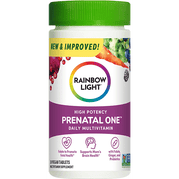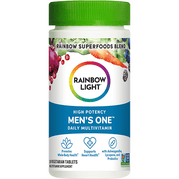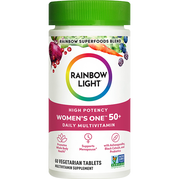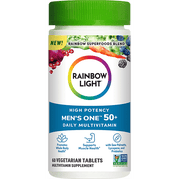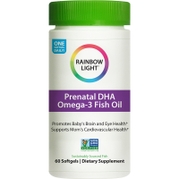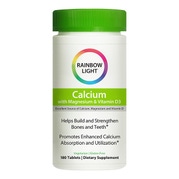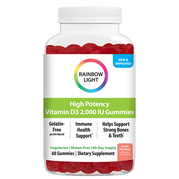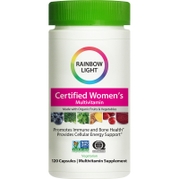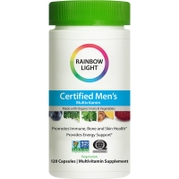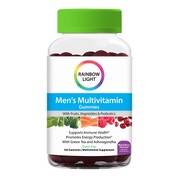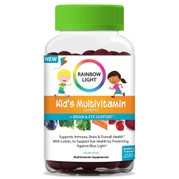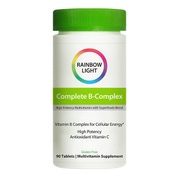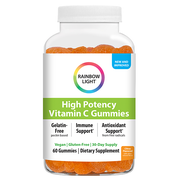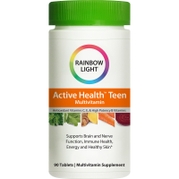



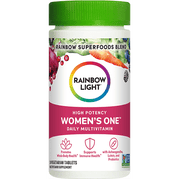
• 100% recycled PCR
  • 100% recyclable
  • FDA approved
  • BPA-free
  • Reduces carbon footprint by 92%

At Rainbow Light, we are committed to reducing our carbon footprint and keeping plastic bottles from ending up in our oceans, natural habitats and landfills. Our new Eco•Guard bottles help us achieve these goals by reusing post-consumer plastic and encouraging our customers to recycle our bottles. These efforts will keep over 8 million plastic bottles out of landfills each year.

Eco•Guard Bottles

Virgin Plastic Bottles

Biodegradable Bottles

Glass (virgin or recycled)

Reuse plastics previously processed from a fossil fuel, so no further depletion of new fossil fuels; FDA-approved for safety

Require fossil fuel to produce, further depleting supply; Over 1.5 million barrels of oil are used annually in plastic bottle production

Made from corn, requiring pesticides and fertilizers, drives cost of food up, and availability down; does not provide sufficient protection for product stability

Greater energy consumption and greenhouse gas emissions to produce, estimated at 2 metric tons of CO2 per 1 metric ton of glass

Keep 8 million bottles out of landfills annually; recyclable; allows participation in making positive impact on environment

Choosing virgin materials over recycled contributes to landfill problem; creates apathy and distance from environmental concerns

Can’t be reused or recycled with regular plastics, must go to commercial composting plants; discourages participation in recycling/re-use

Heavier product weight increases transportation costs and carbon footprint; often requires additional packaging to provide protection from breakage

Sleeve made from 100% renewable plant resources with no adhesives that disrupt recycling process

Paper labels contribute to deforestation, require adhesives, disrupt recycling process

Plastic Facts

  • 90 percent of ocean debris is plastic
  • 2.7 million tons of plastic are used for bottles annually
  • Every hour, Americans throw away 2.5 million plastic bottles
  • Recycling one ton of plastic saves 7.4 cubic yards of landfill space
  • Producing new plastic from recycled material uses only two-thirds of the energy required to manufacture it from virgin raw materials, according to the Environmental Protection Agency

What Can You Do? Reduce • Reuse • Recycle

  • Choose products in post-consumer recycled containers instead of those made with virgin materials
  • Refuse plastic or paper bags when shopping and bring your own reusable fabric bags with you; if you are crafty, reuse “retired” household linens to create your own bags
  • Replace disposable water bottles with reusable bottles that you can fill at home
  • Reuse mugs, glasses, china and silverware at the office rather than disposables
  • Reusable plastic or glass storage containers are environmentally friendly alternatives to disposable containers, bags and plastic or foil wraps

Remember, recycling is cyclical; each time we reuse and recycle materials, it reduces waste and preserves resources. By using post-consumer plastic bottles and encouraging our customers to recycle our bottles, we will keep 8 million or more bottles out of landfills every year.

To learn more about innovative plastic recycling and the Plastiki Expedition, go to http://www.theplastiki.com/

To learn more about the Great Pacific Ocean Garbage Patch, go to http://sio.ucsd.edu/Expeditions/Seaplex/

Resources |  Sitemap |  Help |  Privacy |  Contact Us  1-800-635-1233


ABOUT SSL CERTIFICATES